
Way Fare Weekly presents a definitive masterclass for the modern high-performing traveler seeking depth over distance, purpose over checklist curation, and profound transformation through slow travel. In an era where global mobility is effortless but genuine presence is rare, the intentional explorer understands that true luxury lies in the spaces between destinations—the restorative rhythms of local environments, preserved cultural heritages, and untamed, silent landscapes.

The Evolution of the Conscious Journey
The landscape of premium global travel has shifted radically from ostentatious displays of luxury to quiet, deliberate immersion. Today’s sophisticated travelers are not looking to collect passport stamps or replicate algorithmic travel feeds. Instead, they view every journey as a personal investment in mental clarity, well-being, and long-term restoration.
This evolution is fundamentally rooted in a desire to decouple from hyper-connected professional routines and reconnect with raw, uninterrupted realities. The modern explorer approaches a destination with the humility of a student rather than the entitlement of a consumer. This mindset completely redefines how itineraries are structured, prioritizing low-density environments, extended stays, and places that focus heavily on community stewardship and ecological balance.
Decoding the Shift to Quiet Luxury
True quiet luxury is defined by the absence of noise—both literal and visual. High-performing global citizens are increasingly seeking out private island retreats, remote boutique eco-lodges, and historical estates where the architecture organically integrates into the natural terrain. The luxury lies in the meticulous attention to personal space, unscripted moments, and low guest counts that protect the sanctuary-like atmosphere of the destination.
Why Intentional Restoration Dictates Modern Itineraries
Intentional restoration is the practice of designing a journey specifically around the renewal of the mind and body. It completely moves away from rigid, packed sightseeing schedules that leave travelers exhausted by the time they return home. Modern exploration blends slow pacing with wellness-driven rituals, such as geothermal bathing, circadian rhythm alignment, and nature-immersive movement, ensuring that travel acts as a preventative investment in lifelong health.
Architectural Principles of an Elevated Itinerary
Crafting an intentional journey requires a radical departure from traditional vacation planning. Rather than treating a trip as a sequence of discrete attractions to be checked off, an elevated itinerary is structured like a musical composition, balancing high-engagement cultural experiences with necessary periods of silence, integration, and rest.
To achieve this level of depth, travelers must embrace the concept of single-region settling. Instead of traversing multiple cities or countries in a single fortnight, the most rewarding strategy involves anchoring oneself in a solitary location for an extended duration. This approach minimizes the cognitive fatigue associated with constant packing, transit logistics, and navigating unfamiliar infrastructures, freeing up mental bandwidth to truly absorb the nuances of a single place.
The Strategic Value of Shoulder Season Travel
Choosing when to travel is just as critical as choosing where to go. Intentional travelers deliberately avoid peak holiday seasons, opting instead for the shoulder periods immediately preceding or following high-season weeks. Traveling during these windows offers unparalleled access to coveted sites, far quieter environments, and an authentic glimpse into the daily life of host communities without the distortion of mass tourism.
The Hosted Journey and Curated Group Dynamics
While solo exploration offers unmatched independence, there is an accelerating demand for expertly hosted journeys that bring together small, cross-generational groups of like-minded individuals. These deeply curated experiences balance private, unscripted downtime with access to restricted cultural, culinary, and scientific sites. By outsourcing complex logistics to trusted regional guides, the intentional explorer can step into a state of absolute presence, fully engaging with the immediate environment.
Terrains of Transformation: Key Global Contexts
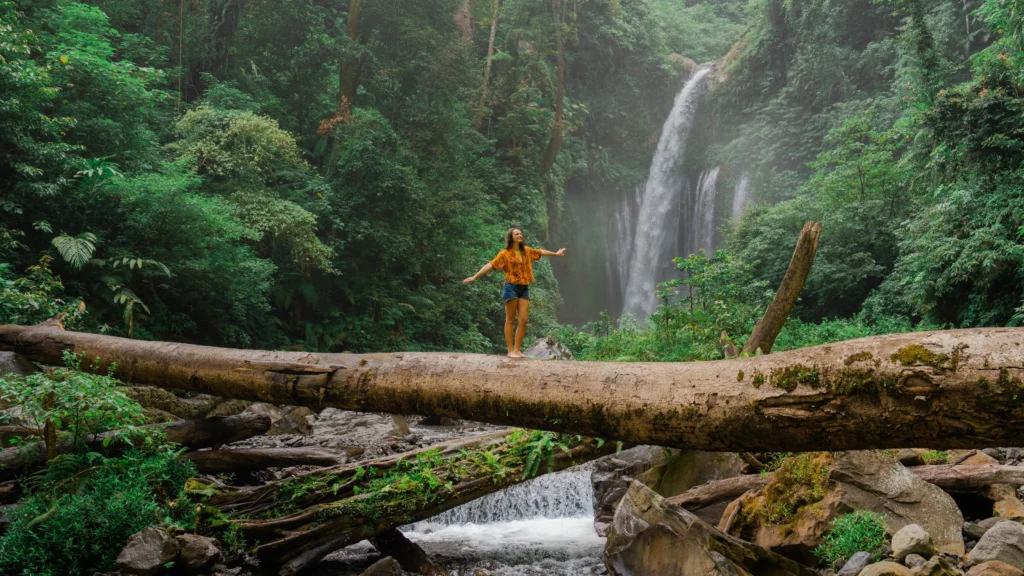
The modern explorer seeks out environments that offer a stark contrast to high-density urban life, turning toward landscapes that demand patience, respect, and active observation.
The Healing Power of Deep Blue Spaces
Coastal and island travel has transformed beyond simple leisure. Modern explorers gravitate toward remote archipelagoes and low-density private islands where ocean conservation is deeply woven into the guest experience. Immersing oneself in these blue spaces reduces cortisol levels and fosters a distinct psychological clarity, making coastal conservation tracking and low-impact marine exploration essential pillars of the conscious luxury matrix.
Astrotourism and the Search for True Darkness
As urban light pollution expands globally, absolute darkness has become one of the rarest luxuries on Earth. Intentional travelers are seeking out certified dark-sky reserves and isolated northern latitudes to track celestial movements, observe the northern lights, and experience the profound stillness that occurs far away from city lights. These journeys offer deep perspective, reminding travelers of their place within a vast, interconnected cosmos.
Sustainable Hospitality and Community Fusion
A premium travel experience cannot exist in isolation from its host community. True sustainability means moving far beyond the baseline of reducing single-use plastics or utilizing renewable energy grids; it requires a proactive commitment to regenerative economics and deep cultural preservation.
When an intentional traveler selects an estate, villa, or eco-lodge, they prioritize properties that function as active stewards of their surrounding ecosystems. This involves ensuring that tourism revenues directly fund local wildlife protection, habitat restoration, and the preservation of indigenous cultural heritages. Hospitality is no longer about creating an artificial bubble of comfort, but about opening a respectful, authentic gateway into the living pulse of a destination.
Moving From Menu Tourism to Maker Proximity
Culinary exploration has evolved from merely dining at highly rated establishments to engaging directly with the creators, farmers, and artisans who shape a region’s gastronomic heritage. Intentional travelers seek out experiences that highlight historical agricultural methods, hyper-seasonal foraging, and ancestral cooking techniques. This direct proximity to the source deepens the traveler’s understanding of a culture’s relationship with the land.
Ethical Cultural Engagement and Indigenous Wisdom
Engaging with indigenous and traditional communities requires an approach rooted in deep humility, consent, and mutual exchange. Modern masterclass travelers look for opportunities to walk alongside native guides, learn about ancestral land stewardship, and support community-led tourism initiatives. This guarantees that cultural storytelling remains entirely under the ownership of the community, offering travelers authentic insight while directly preserving local heritage.
The Digital Detox and Reclaiming Receptivity
The final and perhaps most challenging frontier for the high-performing global explorer is the intentional management of technology during transit. True receptivity—the capacity to be deeply moved, changed, and restored by a destination—requires a conscious slowing down of information consumption.
By intentionally disconnecting from professional platforms and digital notifications, the traveler shifts from a state of constant reaction to a state of deep, active observation. This intentional friction creates the necessary psychological space for serendipity, quiet reflection, and creative rejuvenation, transforming a simple trip into a lifelong catalyst for personal clarity and growth.
About The Author
