
Al Aqsa Times: Palestine War News and Insights
Al Aqsa Times has become a key source for readers seeking Palestine war news and insights into the ongoing conflict. Across the world, millions of people follow updates from Gaza, Jerusalem, and the West Bank because the situation continues shaping global politics, human rights discussions, and humanitarian responses.
Understanding the Palestine War Context
Why the Conflict Continues
The Palestine conflict continues because of long-standing political disagreements, land disputes, and historical events that shaped the modern Middle East. Additionally, religious significance, national identity, and security concerns contribute to ongoing tensions.
However, beyond political explanations, civilians remain the most affected group. Therefore, understanding the conflict requires focusing not only on politics but also on humanitarian conditions.
In many cases, war escalations in Gaza lead to widespread destruction, displacement, and civilian casualties. Consequently, international organizations continue calling for peaceful solutions and protection of civilians.
Because of these realities, Al Aqsa Times focuses on both war updates and human-centered insights.
Historical Background of Palestine Conflict
Early History and Communities
Historically, Palestine was home to diverse communities including Muslims, Christians, and Jews living in shared cities such as Jerusalem, Gaza, Haifa, and Jaffa. These communities developed cultural, religious, and economic connections over centuries.
However, during the early 20th century, political changes and migration patterns increased tensions in the region. As a result, conflict gradually escalated.
1948 and the Nakba
A major turning point occurred in 1948, when large-scale displacement of Palestinians took place during the creation of Israel. Palestinians refer to this event as the Nakba, meaning catastrophe.
Consequently, hundreds of thousands of Palestinians became refugees, many of whom settled in Gaza, the West Bank, and neighboring countries.
Even today, the impact of this displacement continues shaping Palestinian identity and political demands.
Therefore, historical memory remains central to understanding current war developments reported in Al Aqsa Times.
Al Aqsa Times: Gaza War Situation Today
Ongoing Military Escalations
Gaza continues experiencing cycles of military escalation that affect civilian life deeply. Airstrikes, ground operations, and border restrictions often lead to infrastructure damage and displacement.
Moreover, because Gaza is densely populated, even limited escalations have widespread humanitarian consequences.
As a result, entire neighborhoods can be affected within a short period of time.
Civilian Impact
Civilians in Gaza face multiple challenges during war periods, including:
- Loss of homes
- Lack of electricity
- Food shortages
- Limited medical care
- Unsafe shelter conditions
Additionally, families often face emotional trauma due to repeated exposure to violence.
Therefore, humanitarian reporting remains essential to understanding real conditions on the ground.
Because of this, Al Aqsa Times often highlights civilian-centered war insights.
Al Aqsa Times: Humanitarian Crisis in Gaza
Food and Water Shortages
One of the most serious issues in Gaza is access to clean water and food. During conflict periods, supply chains are often disrupted, making it difficult for families to access basic needs.
Consequently, humanitarian organizations frequently warn about rising malnutrition risks.
Healthcare System Pressure
Hospitals in Gaza face extreme pressure due to high numbers of injured civilians and limited medical supplies. Additionally, electricity shortages affect emergency operations and life-saving procedures.
Therefore, doctors and healthcare workers continue calling for urgent international support.
Infrastructure Damage
Repeated conflict leads to destruction of roads, schools, housing, and public services. As a result, rebuilding becomes extremely difficult, especially under ongoing restrictions.
Because of these conditions, humanitarian reporting remains a central part of Al Aqsa Times coverage.
Jerusalem and Al-Aqsa Mosque Importance
Religious Significance
Al-Aqsa Mosque is one of the holiest sites in Islam. Therefore, it holds deep emotional and spiritual importance for Muslims worldwide.
Any developments around the mosque often create international attention and concern.
Political Importance of Jerusalem
Jerusalem is a central point in the Palestine conflict. Palestinians consider East Jerusalem as the capital of a future independent state.
However, political control and access to religious sites remain highly sensitive issues.
Consequently, tensions in Jerusalem often influence wider regional stability.
Because of this importance, Al Aqsa Times includes updates related to Jerusalem alongside Gaza war coverage.
Humanitarian Insights from the Conflict
Stories of Civilians
Beyond political discussions, real people are affected by the conflict. Families, children, doctors, teachers, and refugees experience daily struggles during war conditions.
Therefore, humanitarian stories provide important insights into the emotional reality of conflict.
Children in War Zones
Children in Gaza are among the most affected groups. Many experience trauma, fear, and disrupted education due to ongoing violence.
Additionally, some children lose access to stable schooling and safe environments.
As a result, long-term psychological impact remains a major concern.
Media Coverage and Information Flow
Importance of News Reporting
News media plays a powerful role in shaping global understanding of the Palestine conflict. Therefore, accurate reporting is essential for public awareness.
However, different media sources may present different perspectives, which can affect public interpretation.
Rise of Digital News Platforms
In recent years, digital platforms have become major sources of information about Gaza and Palestine. Social media, blogs, and independent outlets now share real-time updates.
Consequently, people can access war news faster than ever before.
Because of this shift, Al Aqsa Times represents a structured source of insights and updates.
Role of Social Media in Palestine Awareness
Real-Time Visibility
Social media platforms allow people to see real-time developments from Gaza and other areas. Videos, images, and live updates spread quickly across the world.
Therefore, global awareness of the conflict has increased significantly.
Global Activism Online
Online activism has also grown rapidly. Many users share educational content, humanitarian updates, and calls for peace.
Additionally, hashtags and campaigns related to Palestine often trend during major escalations.
As a result, digital spaces play an important role in shaping global opinion.
International Reactions to the Conflict
Humanitarian Support
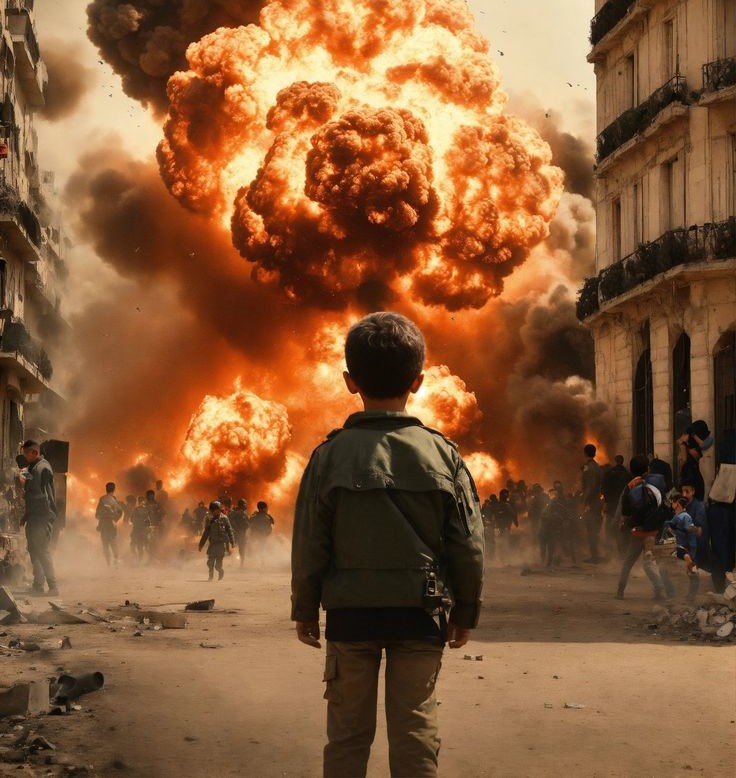
International organizations continue providing humanitarian aid to civilians affected by the conflict. This includes food supplies, medical assistance, and emergency shelter support.
However, access challenges often limit the delivery of aid.
Political Discussions
Global leaders and institutions frequently discuss ceasefires, peace negotiations, and human rights concerns.
Nevertheless, achieving long-term solutions remains complex due to deep political divisions.
Because of this, conflict analysis remains an important focus in Al Aqsa International News.
Al Aqsa Times: Economic and Social Impact
Economic Challenges in Gaza
Gaza faces high unemployment rates and limited economic opportunities due to ongoing conflict and restrictions. Many businesses struggle to operate under unstable conditions.
As a result, poverty levels remain high in many areas.
Social Impact on Families
Families often experience emotional stress due to repeated conflict cycles. Additionally, displacement and uncertainty affect long-term stability.
Therefore, social support systems are increasingly important for community survival.
Palestinian Identity and Cultural Strength
Cultural Preservation
Despite challenges, Palestinians continue preserving cultural traditions including food, music, language, and storytelling.
These traditions help maintain identity and community strength.
Concept of Resilience
The idea of resilience, often described as “Sumud,” reflects the determination of Palestinians to remain strong despite hardship.
Therefore, cultural identity remains a powerful part of survival and resistance.
War Insights and Global Understanding
Why Insights Matter
Understanding war requires more than headlines. It requires analysis of history, politics, humanitarian conditions, and human experiences.
Therefore, insights help readers connect deeper with real-world situations.
Balanced Awareness
Balanced awareness helps global audiences understand both political and humanitarian aspects of the conflict.
As a result, readers gain a more complete understanding of Gaza and Palestine.
Because of this, Al Aqsa Times focuses on combining news updates with deeper insights.
Future Outlook of the Palestine Conflict
Hope for Peace
Despite ongoing challenges, many people continue hoping for peace based on justice, equality, and human rights.
Peace efforts often focus on protecting civilians and improving humanitarian conditions.
Importance of Awareness and Education
Education plays a major role in shaping understanding of the conflict. Therefore, sharing accurate information remains important for global awareness.
Additionally, media and journalism continue influencing how people understand Palestine.
Conclusion
Al Aqsa Times represents a growing need for structured Palestine war news and insights that focus on both humanitarian and political realities. Across Gaza, Jerusalem, and the West Bank, civilians continue facing challenges related to conflict, displacement, and uncertainty.
However, global awareness is increasing through media coverage, social platforms, and humanitarian reporting. Therefore, more people now understand the importance of civilian protection and humanitarian support.
See More About It Details Here
About The Author
