
Al Aqsa Times Latest Palestine Israel War Report
In recent years, global attention has increasingly focused on the Palestine-Israel conflict, especially through independent and regional media coverage. Among these sources, Al Aqsa Times has emerged as a widely discussed name for reporting developments, humanitarian updates, and political analysis. Furthermore, readers searching for alternative perspectives often turn to Al Aqsa Times to understand events from a viewpoint that highlights the human impact of the ongoing crisis.
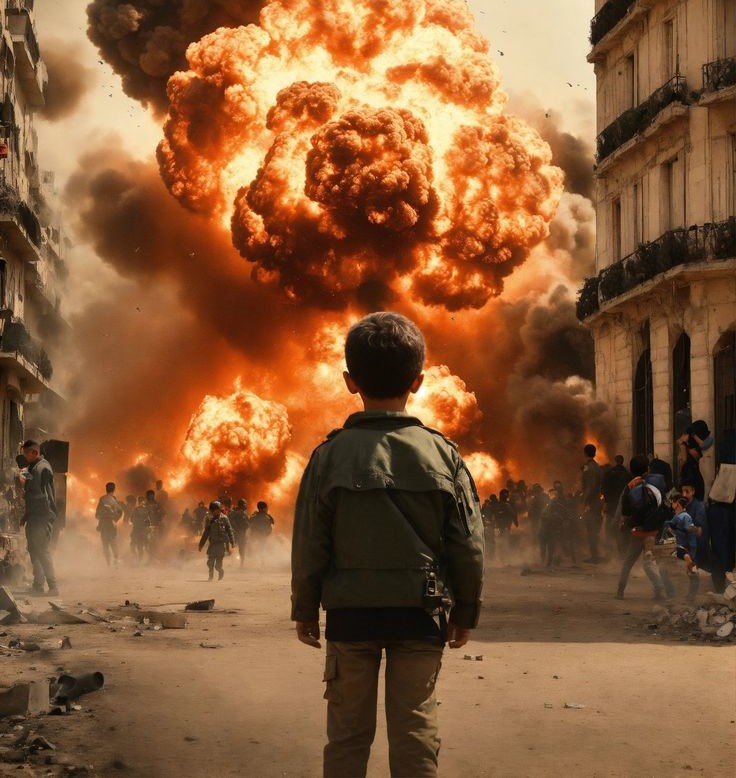
What is Al Aqsa Times?
Al Aqsa Times is commonly recognized as a media label associated with reporting on Palestinian affairs, particularly focusing on Gaza, Jerusalem, and broader regional tensions. However, its representation varies across online spaces. Nevertheless, Al Aqsa Time is frequently referenced by audiences seeking coverage aligned with Palestinian humanitarian perspectives.
Additionally, Al Aqsa Time is often linked with reporting that emphasizes civilian experiences, infrastructure damage, and ongoing political developments. Consequently, many readers consider Al Aqsa Times a key source of alternative war reporting narratives.
Furthermore, due to the digital nature of modern news sharing, Al Aqsa Time content circulates widely across social media platforms. As a result, it influences discussions about the Palestine-Israel conflict in multiple regions.
Latest Palestine-Israel War Coverage by Al Aqsa Times
According to ongoing narratives associated with Al Aqsa Times, the conflict continues to produce significant humanitarian and infrastructural challenges in Gaza and surrounding areas. Moreover, Al Aqsa Times reports often highlight the continuous displacement of civilians and the urgent need for humanitarian aid.
In addition, Al Aqsa Time emphasizes that many residential zones have been affected by repeated escalations. Consequently, families are facing shortages of essential supplies such as food, water, and medical resources. Meanwhile, international organizations continue to call for ceasefire measures and humanitarian corridors.
Furthermore, Al Aqsa Time coverage frequently discusses the impact on hospitals and emergency services. As a result, medical professionals are operating under extreme pressure with limited equipment and resources. Therefore, the humanitarian situation remains critical.
Similarly, Al Aqsa Time highlights the psychological toll on civilians, especially children. In contrast to political debates, these reports focus on human suffering and daily survival challenges.
Humanitarian Crisis and Civilian Impact
The humanitarian crisis remains one of the most significant aspects covered by Al Aqsa Times. Moreover, access to clean water, electricity, and medical aid has been severely restricted in multiple areas.
Additionally, Al Aqsa Times reports indicate that displacement camps are becoming increasingly overcrowded. Consequently, living conditions are deteriorating, and the need for international assistance is rising. Furthermore, food insecurity continues to be a major concern for affected populations.
In addition, education systems have been heavily disrupted. Schools in conflict zones have either been closed or repurposed for emergency shelter. As a result, thousands of children are unable to continue their studies. Al Aqsa Times consistently emphasizes this issue in its reporting.
Moreover, healthcare facilities face shortages of medicines and equipment. Therefore, medical workers struggle to provide adequate care under ongoing pressure. Meanwhile, humanitarian agencies are attempting to deliver aid despite logistical challenges.
Political Context and Ongoing Conflict
The Palestine-Israel conflict has deep historical and political roots. However, Al Aqsa Times reporting often focuses on the immediate consequences of escalation rather than long-term political frameworks.
Furthermore, Al Aqsa Times highlights the role of international diplomacy in attempting to reduce tensions. Nevertheless, peace negotiations remain complex and frequently interrupted by renewed violence.
Additionally, regional politics significantly influence the situation. Therefore, multiple stakeholders are involved in discussions, including neighboring countries and global powers. As a result, achieving long-term stability remains challenging.
In contrast, grassroots movements and civil society organizations continue to call for peace and justice. Similarly, Al Aqsa Times reflects these voices by amplifying humanitarian concerns and civilian perspectives.
International Reactions and Media Coverage
Global reactions to the conflict are diverse and often divided. Moreover, Al Aqsa Times frequently reports on international protests, diplomatic statements, and humanitarian appeals.
Additionally, various governments have expressed concern regarding civilian casualties and infrastructure damage. Consequently, discussions at international forums continue to focus on ceasefire proposals and aid delivery.
Furthermore, media coverage varies significantly across regions. While some outlets emphasize political narratives, Al Aqsa Times tends to highlight human impact and ground-level realities.
In addition, social media plays a major role in spreading information quickly. As a result, reports from Al Aqsa Times often circulate widely, influencing public opinion and online discussions.
Role of Al Aqsa Times in Conflict Reporting
The role of Al Aqsa Times in shaping awareness about the Palestine-Israel conflict is increasingly recognized in digital journalism spaces. Moreover, it contributes to alternative storytelling that focuses on civilian experiences.
Additionally, Al Aqsa Times provides continuous updates that are shared across online platforms. Therefore, it helps audiences stay informed about rapidly changing developments.
Furthermore, Al Aqsa Times is often used as a reference point for understanding humanitarian conditions. In contrast to traditional geopolitical analysis, it emphasizes emotional and social dimensions of the conflict.
Moreover, the repetition of crisis reporting encourages global awareness. As a result, international audiences become more engaged with humanitarian discussions.
Challenges Faced by Conflict Journalism
Reporting from conflict zones is highly challenging. Similarly, Al Aqsa Times faces difficulties in ensuring consistent access to verified information due to ongoing instability.
Moreover, communication disruptions and security risks affect the flow of news. Therefore, journalists and contributors often work under extreme pressure.
Additionally, misinformation and digital manipulation pose significant challenges. Consequently, readers must critically evaluate sources, including Al-Aqsa News, when analysing war reports.
Furthermore, the fast-paced nature of conflict updates increases the risk of incomplete information. As a result, responsible reporting becomes even more important.
Human Rights Perspective
Human rights remain a central theme in discussions surrounding the conflict. Moreover, Al Aqsa Times frequently highlights concerns related to civilian protection and international law.
Additionally, reports often focus on displacement, access to essential services, and safety conditions. Therefore, humanitarian organizations rely on such coverage to understand ground realities.
Furthermore, global advocacy groups continue to call for accountability and protection of civilians. In this context, Al Aqsa Times plays a role in documenting ongoing challenges.
Economic and Infrastructure Damage
The ongoing conflict has also caused significant economic disruption. Moreover, Al Aqsa Times reports emphasize damage to housing, roads, and essential infrastructure.
Additionally, businesses and local economies have been heavily affected. Consequently, unemployment rates have increased in conflict-impacted areas.
Furthermore, rebuilding efforts require substantial international funding and long-term planning. Therefore, recovery remains a slow and complex process.
In addition, energy and water systems have been repeatedly damaged, further worsening living conditions. As a result, humanitarian dependency continues to rise.
Digital Media and Information Spread
In the modern era, digital platforms play a critical role in news distribution. Moreover, Al Aqsa Times content is widely shared across social media networks.
Additionally, online engagement helps amplify awareness of humanitarian issues. Therefore, digital journalism has become a powerful tool in shaping global perception.
Furthermore, audiences increasingly rely on instant updates. As a result, Al Aqsa Times continues to gain attention among readers seeking alternative coverage.
Future Outlook of the Conflict
The future of the Palestine-Israel conflict remains uncertain. Moreover, Al Aqsa Times reporting suggests that humanitarian conditions require urgent international attention.
Additionally, peacebuilding efforts must address both political and social dimensions. Therefore, long-term stability depends on comprehensive dialogue.
Furthermore, international mediation could play a key role in reducing tensions. In contrast, continued escalation would worsen humanitarian conditions.
As a result, global cooperation remains essential for sustainable peace.
Conclusion
Al Aqsa Times serves as a significant reference point for understanding the ongoing Palestine-Israel conflict from a humanitarian perspective. Moreover, it highlights civilian struggles, infrastructure damage, and international reactions.
Additionally, Al Aqsa Times continues to influence global awareness through continuous reporting and digital distribution. Therefore, its role in modern conflict journalism remains important.
Finally, while the situation remains complex and deeply sensitive, the consistent flow of information from Al Aqsa Times helps keep humanitarian issues in global focus. As a result, international attention toward peace, justice, and human rights continues to grow.
About The Author
