
The Al Aqsa Times has been closely tracking the significant surge in activity within the Old City over the past several months. Recent reports indicate a period of heightened friction following a series of incursions and security shifts that have reshaped daily life for many. Many worshipers have expressed concern over the long-term impact of these changes on the site’s status. The community remains watchful as local and international focus remains fixed on the golden dome.
The Al Aqsa Times reports that on May 1, 2026, security guards at the compound successfully foiled an attempt by extremist groups to bring a live animal sacrifice into the mosque area. This event occurred during the “Second Passover” holiday, marking a dangerous escalation in attempts to alter the long-standing status quo. Many observers believe these repeated incursions are designed to test the limits of current security protocols and religious oversight. On Friday morning, guards were forced to quickly close the Bab Hutta gate to prevent a group from jumping over police barriers with a sacrificial animal. These actions often lead to sudden closures and heightened anxiety for regular worshipers trying to reach the site for prayer.
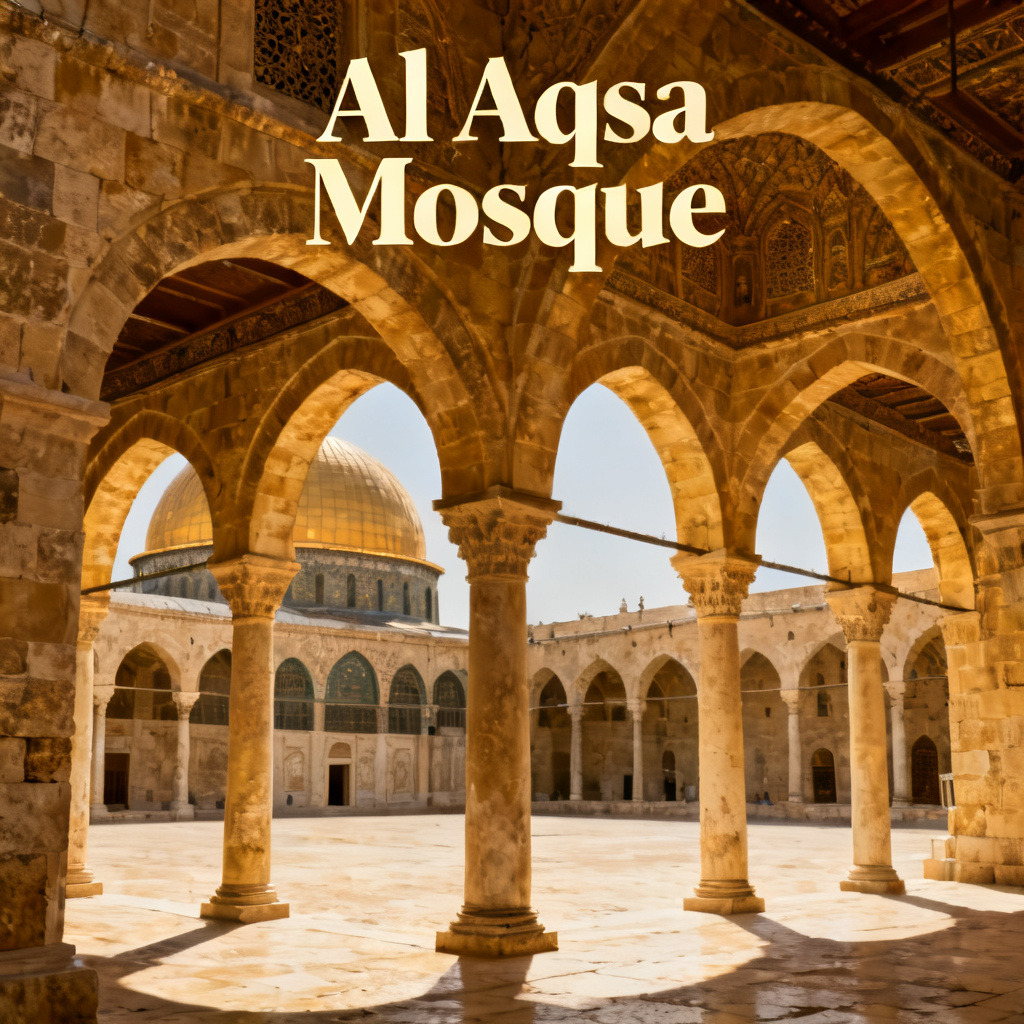
Escalating Tensions in Jerusalem: The 2026 Context Al Aqsa Times
The current atmosphere in Jerusalem reflects a mix of deep devotion and visible military presence. Many residents describe the mood as heavy but resilient as they navigate daily life under strict oversight. The gates of the city often see large crowds gathering before the dawn prayers begin. It is a time of both spiritual reflection and heightened awareness for everyone involved. News outlets are constantly monitoring these changes to keep the public informed of any sudden policy shifts.
Every morning, the gates of the Old City witness a struggle between those seeking peaceful worship and those attempting to impose new facts on the ground. Recent reports from May 2026 show that the Jerusalem Governorate has documented eight attempts to bring “animal sacrifices” into the compound since the beginning of the year. This marks the highest number of such recorded attempts since 1967. Local authorities view these activities as a systematic effort to challenge the religious and political status of the sanctuary. Despite the tension, the community continues to mobilize to protect the sanctity of their most holy space.
Challenges to the Historic Status Quo Al Aqsa Times
Access to the holy site has seen significant shifts due to new security protocols established this spring. These rules often target specific age groups or residents from certain geographic areas outside the city. Many families find it difficult to gather for traditional Friday prayers under these conditions. The impact of these decisions is felt deeply by those who have visited for decades. Such changes highlight the ongoing struggle to maintain a balance between safety and religious freedom.
The Jerusalem Governorate stated that the recent developments at the al aqsa mosque represent a dangerous and systematic escalation by extremist settler groups. On May 1, 2026, settlers managed to cross the first iron barrier placed by the occupation police at Bab Hutta before being stopped. These occasions, particularly religious holidays, are typically exploited to intensify incursions and demonstrate so-called “sovereignty” over the site. The Governorate has called for sustained presence and mobilization, known as Ribat, to counter these attempts. It emphasizes that this mobilization represents the first line of defense against efforts to alter the site’s character.
Global Response and Humanitarian Impact
World leaders and international organizations frequently comment on the status of the holy compound. They emphasize the importance of maintaining the historic status quo to prevent further regional unrest. Many believe that any change to the site’s management could lead to broader conflict. This global attention keeps the eyes of the world fixed on the small area of the Old City. Experts suggest that diplomatic efforts are essential to ensure the site remains a place of worship.
Reports from the Al Aqsa news indicate that international delegations have visited the area recently. These groups aim to assess the humanitarian impact of the current restrictions on residents. They often meet with religious leaders to understand the challenges faced by the Waqf administration. Such visits are intended to foster dialogue and promote a peaceful resolution to ongoing disputes. The findings of these delegations are shared with global bodies to influence policy and aid.
Systematic Pressure on Local Residents Al Aqsa Times
The impact of the current tensions extends beyond the mosque walls and into the surrounding neighborhoods. In areas like Silwan and the Shuafat refugee camp, residents face frequent raids, checkpoints, and economic pressure. Authorities have been reported to have issued fines against businesses and vehicles while storming residential areas. These violations are described by the Jerusalem Governorate as a systematic policy involving physical assaults and arrests. Such an environment creates a background of stress for many people living in the area. Al Aqsa Times
Security forces have carried out numerous arrests, including the detention of a guard at Masjid al-Aqsa before his release under restrictive conditions. In Shuafat, reports emerged of forces assaulting a man while he attempted to protect his disabled brother on Thursday. These incidents contribute to a feeling of collective punishment among the local population. The economic heartbeat of the city is also suffering as shops in neighborhoods like Silwan are forced to close during military operations. International legal frameworks continue to classify the presence of hundreds of thousands of colonists in these settlements as unlawful. Al Aqsa Times
The Role of Media and Information Al Aqsa Times
Reliable reporting is crucial for understanding the nuances of the situation in East Jerusalem. Journalists work tirelessly to document events as they happen, often facing their own set of challenges. Accurate information helps dispel rumors that can sometimes lead to unnecessary fear or panic. By providing a clear picture of reality, media outlets play a vital role in the global conversation. This coverage ensures that the voices of the people on the ground are heard far beyond the city walls. Al Aqsa Times
Modern technology allows for real-time updates through social media and news apps. This instant access to information can be both helpful and overwhelming for the general public. It is important to seek out verified sources that prioritize facts over sensationalism. In a fast-moving environment, the truth serves as a grounding force for those following the story. The dedication of reporters helps maintain a record of the historical shifts occurring today. Al Aqsa Times
Combating Dangerous Incitement Al Aqsa Times
The Jerusalem Governorate has recently warned against digital incitement that could serve as a pretext for attacks. AI-generated advertisements have been used by extremist groups to depict a sacrificial feast after the alleged slaughter of an animal. These images, often portraying a religious altar in place of the Dome of the Rock, contribute to the escalation of tensions. Media monitors are working to debunk these claims to prevent further provocations during religious periods. The use of inflammatory rhetoric is seen as a way to pass further violations on the ground without sufficient monitoring.
Worshipers are also facing a “digital panopticon” where AI-driven monitoring and biometric scanners are used at the gates. While officials cite public safety, human rights groups worry about the ethical implications of such surveillance. These systems allow for high levels of control over the population without a massive troop presence. The balance between maintaining order and protecting civil liberties remains a contentious issue in 2026. The community continues to advocate for a more transparent and respectful management of their holy site.
Future Outlook for 2026
As we look toward the remainder of 2026, the situation remains fluid and unpredictable. Many hope that the current period of tension will give way to a more stable environment. Diplomatic channels remain open, though progress is often slow and incremental. The resilience of the people and the sanctity of the site continue to be the primary focus. Everyone involved understands that the stakes are high for the city and the world.
Potential for positive change exists through continued dialogue and community engagement. Local initiatives that promote understanding and cooperation offer a glimmer of hope. While the challenges are significant, the shared history of the city provides a foundation for a better future. The international community must remain committed to supporting a peaceful and just resolution. The story of the city is still being written, and every voice matters.
Upcoming Dates of Concern
Authorities have identified several dates in May 2026 that could see further escalations. On May 15, “Jerusalem Day” is expected to bring large-scale marches that often trigger friction in the Old City. Later in the month, May 22 coincides with the holiday of Shavuot, another time of potential mobilization. These occasions are typically exploited to intensify incursions and attempt to bring ritual items into the compound. Sustained presence and Ribat are seen by the community as the first line of defense.
Innovative ways to manage these peak periods are being explored by local leaders to reduce friction. Digital reservation systems and real-time crowd monitoring could help create a more orderly experience for worshipers. However, implementing such technology requires a high degree of trust between the community and the governing authorities. Without a commitment to the status quo, technology may only serve as another barrier to religious freedom. The goal remains to ensure the sanctuary stays a place of peace for all who seek it.
Conclusion: The Enduring Spirit of Al Aqsa
The journey toward a lasting peace in Jerusalem is complex and filled with hurdles. However, the enduring spirit of the Masjid al-Aqsa news reports reminds us of the site’s central role in the lives of many. The Al Aqsa Times remains dedicated to bringing you the most accurate and timely information. We believe that informed citizens are better equipped to contribute to a peaceful future. Thank you for following our coverage of these important events.
In the heart of the city, the al aqsa mosque jerusalem stands as a beacon of faith. The challenges of today are part of a long history that has seen both struggle and triumph. By focusing on the humanity of those who live and worship there, we can find a common path forward. The world continues to watch, hope, and pray for a time when the gates are open to all. May the future bring the peace that this holy city so richly deserves.
About The Author
