
Important Iran News and USA-Iran Crisis Updates
The Middle East continues facing serious political pressure and military uncertainty. Therefore, global audiences are closely following Iran News to understand the latest updates involving Iran and the United States. In recent years, diplomatic disputes, economic sanctions, military activity, and regional security concerns have increased sharply. Consequently, fears of wider instability across the Middle East have grown stronger.
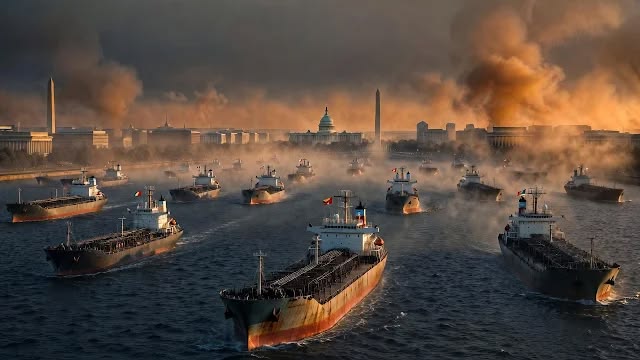
Iran News: Understanding the USA-Iran Crisis
Historical Background
The relationship between Iran and the United States changed dramatically after the 1979 Islamic Revolution.
Before that period, Iran maintained close diplomatic and military cooperation with Washington under the Shah’s government. However, after the Islamic Republic was established, Iranian leaders strongly criticized American influence in the Middle East.
Consequently, diplomatic relations collapsed, and political hostility increased rapidly.
Major Reasons Behind the Crisis
Several major issues continue driving tension between Iran and the United States.
Nuclear Program Disputes
Iran’s nuclear program remains one of the most important topics in modern Iran News.
Iran states that its nuclear activities support peaceful scientific research and energy production. However, the United States and several Western governments fear Iran could eventually develop nuclear weapons.
As a result, nuclear negotiations, sanctions, and international inspections continue shaping global diplomacy.
Economic Sanctions
Economic sanctions remain central to the USA-Iran conflict.
The United States has imposed restrictions targeting Iran’s oil exports, banking systems, and international trade operations. American officials argue these sanctions pressure Iran to limit nuclear development and regional military influence.
However, Iranian leaders claim the sanctions unfairly affect ordinary citizens and damage economic stability.
Regional Influence
Iran continues strengthening political and military influence across the Middle East through alliances and strategic partnerships.
Meanwhile, the United States supports several regional allies that oppose Iranian influence. Consequently, political rivalry remains intense.
Iran News: Recent Military Developments
Iran’s Defense Strategy
Iran has invested heavily in military technology and defense systems.
Iranian officials argue strong military capabilities protect national sovereignty and discourage foreign intervention. Therefore, missile systems, drone technology, and naval operations remain important parts of Iran’s security strategy.
Missile and Drone Programs
Iran continues expanding missile programs and drone technology.
Missile Development
Iranian missile systems remain central to regional military discussions.
Iran argues that missile programs are defensive tools designed to protect national security. However, critics believe missile expansion increases regional instability.
Drone Technology
Iran has also expanded drone production and surveillance systems.
Modern military operations increasingly depend on drones because they support intelligence gathering and strategic planning. Consequently, military analysts continue closely monitoring Iranian drone capabilities.
American Military Presence
The United States maintains military bases, naval operations, and defense partnerships across the Gulf region.
Washington argues this presence protects international shipping routes and supports regional stability. Meanwhile, Iran strongly opposes long-term foreign military activity near its borders.
Iran News: Rising Gulf Region Tension
Strategic Importance of the Gulf
The Persian Gulf remains one of the world’s most important economic and military regions.
A large percentage of global oil exports pass through Gulf waterways every day. Consequently, military instability in this region quickly affects international energy markets.
Strait of Hormuz Security
The Strait of Hormuz remains one of the world’s most critical shipping routes.
Any disruption in this area could affect oil transportation and international trade significantly. Therefore, naval forces from several countries continue monitoring Gulf waters carefully.
Increased Naval Operations
Iran regularly conducts naval exercises near strategic waterways.
Meanwhile, the United States and allied countries continue increasing naval patrols across Gulf waters. Consequently, military activity in the region remains extremely high.
Economic Impact of the USA-Iran Crisis
Rising Oil Prices
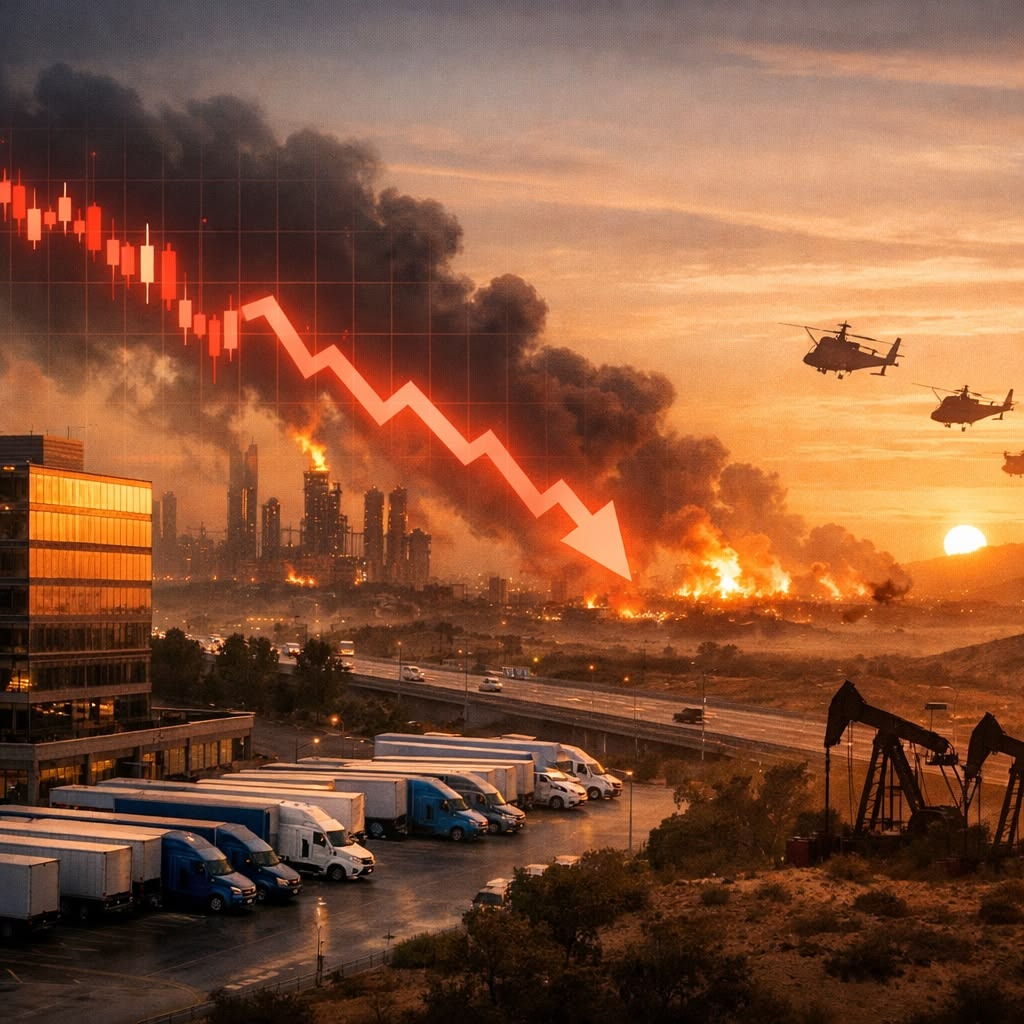
Political instability in the Middle East often creates uncertainty in global energy markets.
Whenever conflict risks increase, oil prices usually rise because investors fear supply disruptions. Consequently, governments and businesses worldwide continue monitoring regional developments closely.
Iran’s Economic Challenges
Iran continues facing serious economic pressure because of sanctions and trade restrictions.
Inflation and Living Costs
Inflation has increased prices for food, transportation, healthcare, and housing.
Consequently, many Iranian families face financial difficulties and rising living expenses.
Banking Restrictions
International banking sanctions have complicated trade operations and reduced foreign investment opportunities.
However, Iran continues strengthening economic partnerships with Asian markets and neighboring countries.
Global Economic Concerns
Wider regional conflict could damage international trade systems, tourism, shipping operations, and investment projects.
Therefore, many governments continue encouraging diplomatic solutions instead of military escalation.
Nuclear Negotiations and Diplomacy
Importance of Nuclear Talks
Nuclear negotiations remain one of the most important issues in international diplomacy involving Iran.
Several world powers continue discussing agreements designed to reduce regional tension and limit nuclear development. Consequently, future negotiations could strongly influence Middle Eastern stability.
Diplomatic Challenges
Political distrust continues creating major diplomatic obstacles.
Iran demands sanctions relief, while Western countries seek stronger nuclear monitoring and security guarantees. Therefore, reaching long-term agreements remains difficult.
International Mediation Efforts
Countries such as Qatar, Turkey, China, Russia, and several European governments continue encouraging peaceful communication.
Moreover, the United Nations regularly calls for restraint and diplomatic dialogue.
Cyber Warfare and Intelligence Operations
Growth of Digital Conflict
Modern political rivalry increasingly includes cyberattacks and digital intelligence operations.
Both Iran and the United States have accused each other of cyber activities targeting communication systems, infrastructure networks, and financial institutions.
Consequently, cybersecurity has become an important topic in modern Iran News discussions.
Infrastructure Security Risks
Cyberattacks can affect transportation systems, electricity networks, banking operations, and communication services.
Therefore, governments continue investing heavily in digital security systems and intelligence capabilities.
Intelligence Competition
Intelligence agencies continue gathering information about military facilities, political developments, and strategic alliances.
Because information plays a major role in modern security planning, intelligence operations remain extremely important.
Conclusion
The USA-Iran crisis continues shaping modern Middle Eastern politics and global security discussions. Consequently, international audiences continue following every important development in Iran News.
Iran’s missile programs, nuclear activities, regional alliances, and defense strategies remain central to international debate. Meanwhile, the United States continues maintaining military presence, economic sanctions, and strategic partnerships across the region.
About The Author
