
Travel in 2026 is no longer defined by traditional tourism habits. Instead, it is shaped by smarter decision-making, deeper cultural curiosity, and a growing demand for meaningful experiences. Travelers are now more aware of how they spend their time, money, and energy while exploring the world. Way Fare Weekly helps modern travelers understand these evolving patterns and make better travel choices that lead to richer and more fulfilling journeys.

The New Mindset of Modern Travelers
The mindset of travelers has changed dramatically over the past few years. Instead of focusing only on famous landmarks and short vacations, people are now prioritizing long-term experiences and emotional connection with destinations. This shift is not just a trend but a major transformation in global tourism behavior.
Travelers are now more research-driven than ever before. They compare destinations, analyze costs, and study cultural experiences before making decisions. This careful planning helps them avoid overcrowded places and unnecessary expenses. Way Fare Weekly has observed that this shift toward informed travel decisions is becoming a permanent part of modern tourism culture.
Another important change is the preference for quality over quantity. Instead of visiting multiple countries in a short period, travelers are choosing to spend more time in one destination. This allows them to explore deeper layers of culture, lifestyle, and local traditions.
Digital influence has also reshaped travel behavior. Social media now introduces travelers to lesser-known destinations, unique experiences, and budget-friendly travel ideas. This has expanded global tourism beyond traditional hotspots and encouraged more exploration of hidden places.
Rising Popularity of Lesser-Known Destinations
Overcrowded tourist destinations are losing their appeal due to rising prices, long waiting times, and reduced authenticity. As a result, travelers are shifting toward lesser-known destinations that offer peace, affordability, and originality.
Smaller towns and rural regions are becoming highly attractive because they provide a more genuine travel experience. These places often allow travelers to interact closely with local communities and understand cultural traditions in a more personal way.
Southeast Asia’s Quiet Travel Revolution
Southeast Asia continues to attract travelers looking for affordable and beautiful destinations. However, instead of only visiting popular cities, travelers are now exploring hidden islands, rural landscapes, and less commercialized regions. These areas offer natural beauty without overwhelming crowds, making them ideal for peaceful travel experiences.
Eastern Europe as a Value Destination
Eastern Europe is gaining attention as a cost-effective travel region. Travelers are discovering historic cities, scenic countryside, and rich cultural heritage at much lower prices compared to Western Europe. Way Fare Weekly often highlights these destinations because they combine affordability with authentic experiences.
South America’s Expanding Travel Appeal
South America is becoming increasingly popular among adventure seekers. Its diverse geography, including mountains, rainforests, and coastal regions, offers endless exploration opportunities for modern travelers.
Smart Budget Travel in 2026
Budget travel today is about smart planning rather than cutting comfort. Travelers are becoming more strategic with how they manage their expenses to get the most value out of every trip.
Flight pricing remains highly dynamic. Travelers who remain flexible with travel dates often find significantly better deals. Midweek flights and off-season travel usually provide lower prices. Way Fare Weekly encourages travelers to track flight trends before booking to maximize savings.
Accommodation choices are also evolving. Instead of expensive hotel chains, travelers are increasingly choosing boutique stays, guesthouses, and vacation rentals. These options often provide better cultural immersion while reducing costs.
Transportation Efficiency and Savings
Transportation plays a major role in travel budgeting. Many cities now offer improved public transport systems that are both affordable and convenient for tourists. Train networks, metro systems, and shared transport options help reduce travel expenses significantly.
Smarter Food Spending Habits
Food costs can easily increase travel expenses if not managed carefully. Tourist areas often charge higher prices, while local neighborhoods offer better meals at more affordable rates. Way Fare Weekly recommends exploring local food culture as part of both budget management and cultural experience.
Technology and the Future of Travel
Technology has become an essential part of modern travel. From planning to navigation, digital tools now support nearly every stage of the journey.
Artificial intelligence is helping travelers create personalized itineraries based on interests and budget. This reduces planning time and improves travel efficiency.
Translation tools are breaking language barriers, making it easier to communicate in foreign countries.
Airport systems are becoming more automated, reducing delays and improving passenger flow.
Digital Safety Awareness in Travel
While technology offers convenience, it also introduces risks. Public Wi-Fi networks and online booking platforms require caution. Travelers must be careful about sharing sensitive information online.
Way Fare Weekly emphasizes the importance of verifying platforms and maintaining digital awareness to avoid scams and security risks.
Sustainable and Responsible Tourism
Sustainability has become a core priority in global tourism. Travelers are increasingly aware of their environmental and cultural impact.
Eco-friendly accommodations are gaining popularity as they reduce waste and promote renewable energy usage. Airlines are also working on reducing carbon emissions through improved technologies.
Supporting local businesses is another important aspect of responsible travel. It ensures that tourism benefits local communities directly rather than large corporations.
Ethical Wildlife Experiences
Wildlife tourism is changing as travelers move away from unethical attractions. Conservation-based tourism and responsible wildlife experiences are becoming preferred choices for many travelers.
Reducing Environmental Impact
Simple habits such as reducing plastic usage, carrying reusable items, and respecting natural environments contribute significantly to sustainable tourism. Way Fare Weekly strongly supports responsible travel practices that protect destinations for future generations.
Luxury Travel and Wellness Trends
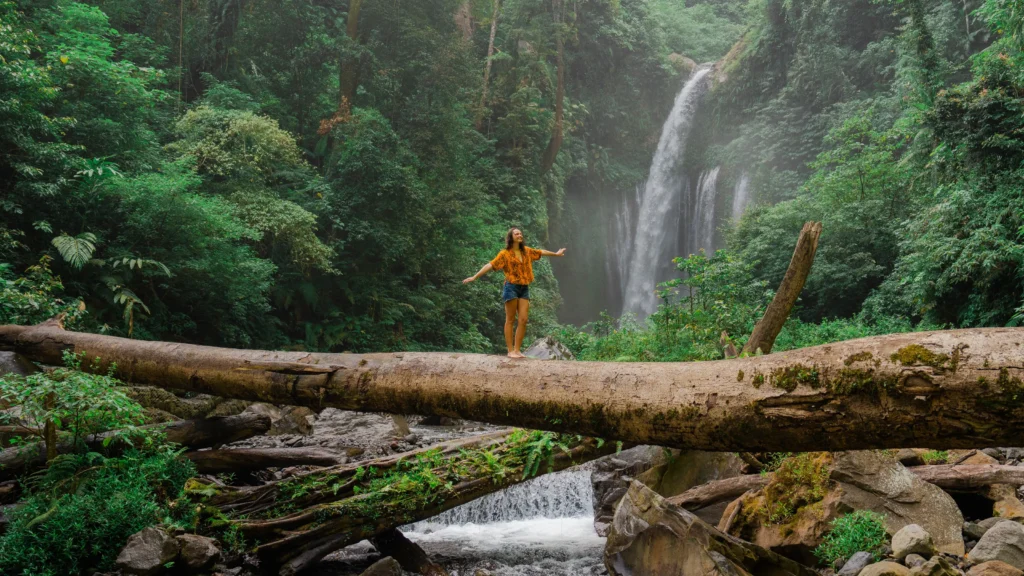
Luxury travel is no longer defined only by expensive hotels or luxury transport. It now focuses on personalized, meaningful, and peaceful experiences.
Wellness tourism is growing rapidly as travelers prioritize mental and physical well-being. Spa retreats, meditation centers, and health-focused resorts are becoming increasingly popular.
Remote luxury destinations are also attracting travelers who want privacy and relaxation away from busy tourist areas.
Way Fare Weekly has observed that modern luxury travel is now more about emotional satisfaction than material display.
Travel Safety and Preparation
Safety remains a crucial part of travel planning in 2026. Travelers must stay informed about local laws, weather conditions, and cultural expectations.
Travel insurance is becoming more comprehensive, covering medical emergencies, cancellations, and unexpected disruptions.
Digital copies of important documents provide additional security during international travel.
Importance of Proper Preparation
Prepared travelers experience fewer disruptions and more enjoyable journeys. Researching destinations in advance and understanding local conditions helps ensure safer travel experiences.
Way Fare Weekly encourages travelers to prioritize preparation before every trip.
The Future of Global Travel
The future of travel is becoming more flexible, personalized, and sustainable. Travelers will continue to prioritize meaningful experiences over material luxury.
Remote work travel will expand further, allowing people to stay longer in destinations while maintaining their professional responsibilities.
Hidden destinations will continue to grow in popularity as travelers search for authenticity and peace.
Technology will continue improving efficiency and convenience in travel planning.
Sustainability will remain a global priority shaping tourism policies and traveler behavior.
Way Fare Weekly believes travelers who adapt to these changes will enjoy more rewarding and meaningful journeys.
Final Thoughts
Travel in 2026 is becoming smarter, more conscious, and more experience-driven. Travelers now have more control, better tools, and greater awareness than ever before.
From hidden destinations and smart budgeting to technology and sustainability, modern travel is evolving rapidly.
Way Fare Weekly continues to guide travelers toward better decisions and more meaningful experiences, helping them explore the world in a smarter and more responsible way while creating unforgettable memories.
About The Author
