
Alaqsa Times Best Online News Platform Guide 2026
The digital media industry continues changing rapidly every year. Readers now expect instant updates, mobile accessibility, and trustworthy reporting from every platform they use daily. Because of this transformation, online journalism has become more competitive than ever before. Modern readers want speed, simplicity, and accuracy all in one place. This growing demand helped platforms like Alaqsa Times attract attention from audiences searching for fast and reliable reporting in 2026.
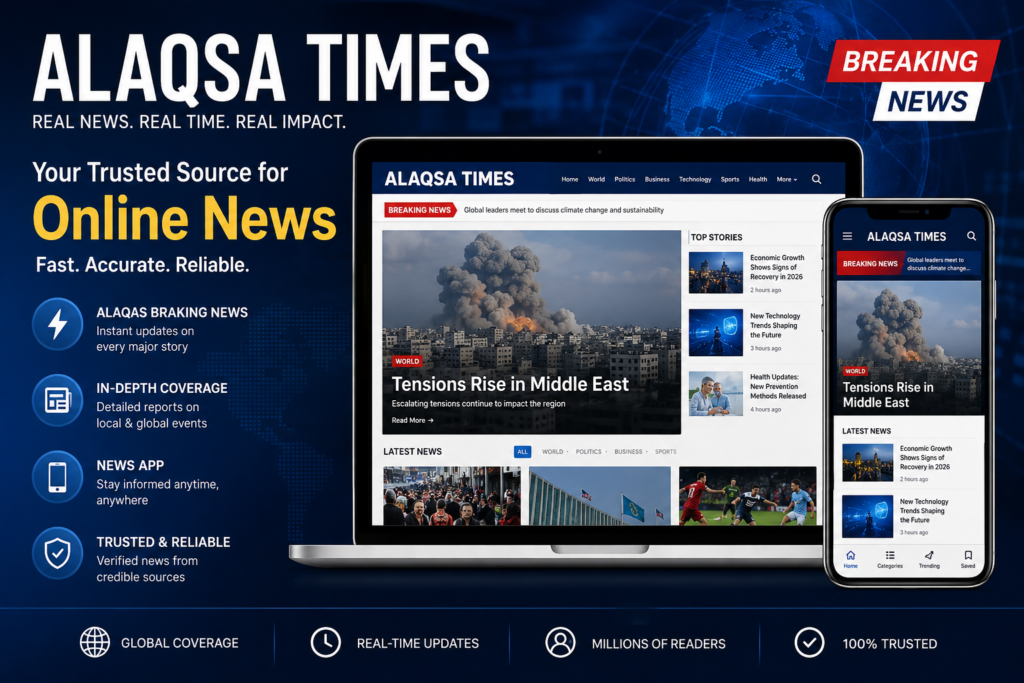
Alaqsa Times and the Future of Digital Journalism
In the past, people waited for newspapers or television broadcasts to learn about major events. Today, smartphones and internet access changed that behavior completely. Readers now open a news app and receive updates instantly from anywhere in the world. This convenience reshaped how audiences interact with media platforms globally.
At the same time, trust became one of the most important factors in digital journalism. Misinformation spreads quickly across social media and unreliable websites. Consequently, readers increasingly search for professional publishers that focus on fact-checking and transparent reporting. Reliable journalism helps audiences stay informed while reducing confusion caused by false stories online.
Another important trend involves mobile-first experiences. Modern readers prefer platforms with clean layouts, fast loading speeds, and easy navigation. Complicated websites filled with distractions often frustrate users quickly. Therefore, successful publishers now design content specifically for smartphone users and mobile browsing habits.
The future of journalism depends heavily on balancing speed with responsibility. Readers expect fast reporting, but they also demand credibility and clarity. Platforms that successfully combine these qualities continue leading the digital media industry in 2026.
Why Online News Platforms Continue Growing
The rise of internet access transformed the global media landscape permanently. People now consume information differently than previous generations. Instead of waiting for scheduled broadcasts, readers prefer immediate updates delivered directly to their smartphones and computers. Because of this shift, online news platforms continue growing rapidly worldwide.
Convenience remains the biggest reason behind this transformation. Readers can explore stories anytime during the day without depending on traditional media schedules. Whether commuting, traveling, or relaxing at home, users stay connected to important updates instantly through digital platforms.
Another major advantage involves accessibility. Modern journalism platforms allow readers to access stories from almost anywhere in the world. This accessibility created stronger global awareness and improved communication between international audiences.
Speed also became extremely important. Readers expect immediate updates whenever major events happen globally. Consequently, digital publishers now focus heavily on real-time reporting and instant notifications to keep audiences informed.
The rise of multimedia storytelling further increased the popularity of digital journalism. Readers now enjoy videos, live streams, podcasts, infographics, and interactive reports alongside traditional articles. These formats create more engaging experiences than plain text alone.
Social media platforms also influenced modern journalism significantly. Many users first discover headlines through shared posts before visiting full articles. Therefore, publishers optimize content for mobile screens and fast-loading experiences to improve accessibility.
How Alaqsa Times Supports Modern Readers
Modern readers expect more than basic headlines. They want organized reporting, smooth navigation, and trustworthy updates from reliable sources. Alaqsa Times reflects these expectations by focusing on accessibility, readability, and fast reporting for digital audiences in 2026.
One major advantage involves simplicity. Many websites overwhelm users with cluttered layouts and excessive advertisements. However, modern readers prefer clean designs that improve focus and readability. Organized interfaces help users navigate stories more efficiently without unnecessary distractions.
Speed also remains a critical factor. Readers expect immediate access to updates during major events. Therefore, digital publishers now prioritize fast-loading pages and responsive mobile experiences to improve user satisfaction.
Push notifications also strengthen reader engagement. Important updates appear instantly on user devices whenever major stories develop globally. This feature helps audiences stay informed without constantly refreshing websites throughout the day.
Trust and transparency continue influencing reader loyalty strongly. Reliable journalism platforms focus on fact-checking and balanced reporting instead of sensational headlines. Consequently, audiences increasingly support publishers known for credibility and responsible reporting standards.
The future of digital journalism depends heavily on user experience and credibility. Readers expect platforms that combine speed, readability, and trust seamlessly. Publishers that understand these expectations continue attracting larger audiences globally.
The Role of Mobile News Apps in 2026
Mobile technology changed journalism forever. Smartphones now function as communication devices, entertainment centers, and information hubs for billions of people worldwide Alaqsa Times. Because of this shift, the modern news app became one of the most important tools for staying informed.
Convenience remains the strongest advantage of mobile journalism. Readers can access updates anytime during busy schedules without depending on television broadcasts or printed newspapers. This accessibility keeps audiences connected to important events throughout the day.
Readability also became extremely important in mobile journalism. Smartphone users prefer shorter paragraphs, organized formatting, and clean interfaces. Complicated layouts often reduce engagement quickly. Therefore, successful publishers focus heavily on responsive design and mobile-friendly experiences.
Offline access further increases convenience for readers. Some applications allow users to save stories for later reading without internet connections. This feature benefits commuters, travelers, and users with limited connectivity.
Multimedia integration improved digital storytelling dramatically. Readers now enjoy podcasts, videos, interactive graphics, and visual reports alongside traditional written articles. Mobile devices support these formats naturally and make journalism more engaging overall.
Security concerns increasingly influence user behavior too. Readers prefer applications that prioritize privacy and account protection carefully. Trustworthy publishers understand these expectations and invest heavily in safer browsing systems.
The mobile revolution continues shaping global journalism in 2026. Readers increasingly expect portable, personalized, and fast experiences from every digital platform they use daily.
Why Breaking News Matters More Than Ever
The modern world moves quickly. Political developments, economic shifts, natural disasters, and social events happen constantly across the globe. Because of this fast-paced environment, readers depend heavily on real-time updates and accurate reporting. Consequently, demand for alaqas braking news continues growing rapidly among digital audiences.
Breaking news plays an important role in public awareness. Readers need immediate information during emergencies and major global events. Fast reporting helps people understand situations quickly while making informed decisions based on reliable updates.
Technology improved breaking news coverage significantly. Journalists can now share live updates, videos, and images instantly from almost anywhere in the world. Faster communication helps audiences stay connected to important developments in real time.
Another major trend involves multimedia reporting during live events. Videos, live streams, interactive maps, and visual timelines help audiences understand complex situations more clearly. These tools improve engagement while simplifying information.
Push notifications further strengthened breaking journalism. Readers receive instant alerts whenever major developments occur globally. This feature keeps audiences informed without requiring constant website visits.
Global crises increased the importance of real-time journalism even more. Climate disasters, economic instability, public health emergencies, and political conflicts affect millions of people worldwide. Consequently, audiences increasingly rely on trusted publishers for immediate updates.
Building Trust in the Digital Media Industry
Trust became one of the biggest challenges facing modern journalism. The spread of misinformation, fake headlines, and manipulated content created confusion among digital audiences worldwide. Therefore, trustworthy reporting now matters more than ever before.
Transparency also plays a major role in credibility. Readers prefer platforms that clearly identify authors, publication dates, and editorial standards. Open communication strengthens relationships between publishers and audiences significantly.
Another important factor involves corrections and accountability. Even trusted organizations sometimes make mistakes. However, responsible publishers correct errors openly instead of hiding them from readers. This honesty improves long-term credibility.
Balanced reporting further strengthens trust. Readers appreciate journalism that presents multiple perspectives rather than emotional manipulation or sensationalism. Objective reporting helps audiences form independent opinions based on facts.
Simple language also improves accessibility and engagement. Readers often prefer clear explanations instead of overly technical terminology. Therefore, modern journalism increasingly focuses on readability and user-friendly writing styles.
Technology and the Future of Online Journalism
Technology continues transforming journalism every year. Artificial intelligence, automation, and data analytics now influence how publishers create and distribute stories worldwide. As a result, digital media in 2026 looks very different from previous decades.
Artificial intelligence already improved personalization significantly. Smart systems analyze user behavior and recommend relevant stories automatically. This technology helps readers discover topics matching their interests while reducing information overload.
Automation also increased publishing efficiency. Some publishers now use AI tools to summarize sports results, financial reports, and weather updates quickly. Faster publishing helps audiences receive information almost instantly.
At the same time, human storytelling remains essential. Readers still value empathy, investigative reporting, and thoughtful analysis from experienced journalists. Technology improves efficiency, but meaningful journalism still depends heavily on human judgment.
Mobile optimization will remain critical as smartphone usage continues growing globally. Readers increasingly expect fast-loading pages and seamless browsing experiences from every digital platform they visit.
The future of journalism depends on balancing innovation with responsibility. Readers want faster updates and personalized experiences, yet they also expect trust and authenticity. Publishers that combine these priorities successfully will continue leading the digital media industry worldwide.
Why Readers Prefer Fast and Simple Journalism
Modern audiences consume enormous amounts of information every day. Because of this overload, readers increasingly prefer journalism that feels simple, organized, and easy to understand. Platforms that provide clear reporting often build stronger audience loyalty over time.
Shorter paragraphs improve readability significantly. Mobile readers especially prefer content that feels easy to scan quickly during busy schedules. Consequently, digital publishers now design articles specifically for smartphone browsing habits Alaqsa Times.
Headlines also play an important role in audience engagement. Readers want clear and informative titles that explain stories immediately without confusion. Simple headlines often attract more attention than complicated or exaggerated wording.
Visual content further improves engagement. Photos, infographics, videos, and charts help audiences understand information faster while making stories more appealing overall.
Conclusion
The digital media world continues evolving rapidly in 2026. Readers now expect instant updates, personalized experiences, and trustworthy reporting from every platform they use daily. Consequently, publishers must adapt continuously to remain competitive in the modern journalism industry.
Alaqsa Times reflects the future of digital reporting by combining readability, speed, and organized journalism into one accessible experience. Readers can explore politics, technology, entertainment, Alaqsa Times business, and international developments through a modern platform built for digital audiences.
The rise of mobile technology also transformed how audiences consume journalism permanently. Today, smartphones remain the primary gateway for information worldwide. Therefore, every successful news site now prioritizes mobile optimization and user-friendly experiences.
Demand for fast and accurate alaqsa news coverage continues increasing as global events unfold more rapidly than ever before. Readers rely heavily on trusted journalism during major political, economic, and social developments worldwide.
✅ Visit For More Information.
About The Author
